What are Disorders of the Small Intestine?
Dr. Prerak Patel specializes in the diagnosis and surgical management of small intestine disorders using advanced gastrointestinal and minimally invasive surgical techniques. Every patient undergoes a comprehensive clinical evaluation, diagnostic imaging, laboratory investigations, and personalized treatment planning to determine the safest and most effective treatment approach based on the specific condition and overall health.
Expert Care You Can Trust
Advanced Expertise
Personalized Care
Minimally Invasive
Trusted Excellence
- Conditions We Treat
- Advanced Surgical Treatment
- Recovery & Follow-up Care
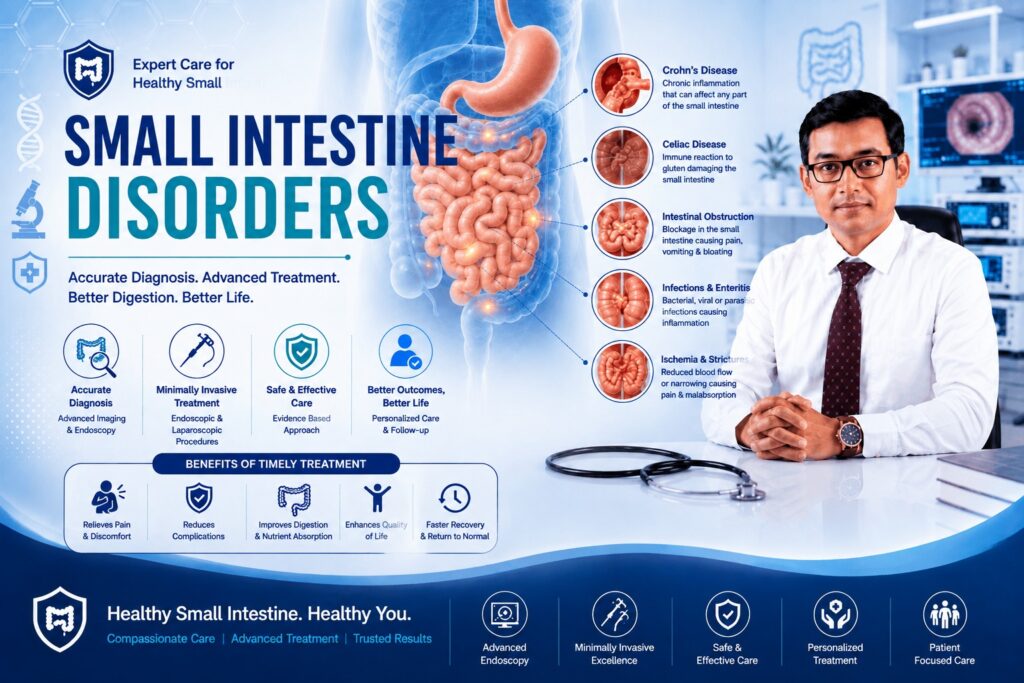
Dr. Prerak Patel provides specialized treatment for a wide range of small intestine disorders, including intestinal obstruction, Crohn's disease affecting the small bowel, small intestine tumors, benign small bowel polyps, Meckel's diverticulum, intestinal perforation, intestinal bleeding, adhesions causing bowel obstruction, small bowel strictures, and selected small intestine cancers. Every patient receives a personalized treatment plan based on the diagnosis, severity of the disease, and overall health.
Modern small intestine surgery focuses on preserving healthy bowel while effectively treating the underlying condition. Dr. Prerak Patel performs advanced procedures including laparoscopic small bowel resection, intestinal obstruction surgery, tumor removal, perforation repair, adhesiolysis, and bowel reconstruction using minimally invasive and conventional surgical techniques when required. Every procedure is planned using evidence-based surgical principles and modern technology to ensure the best possible outcomes while minimizing postoperative complications.
Recovery after small intestine surgery depends on the type of procedure and the patient's overall health. Dr. Prerak Patel provides comprehensive postoperative care that includes pain management, nutritional counseling, bowel function monitoring, wound care, dietary guidance, activity recommendations, and scheduled follow-up visits. Each recovery plan is tailored to promote safe healing, restore digestive function, monitor long-term health, and help patients return to their daily activities as comfortably and safely as possible.
Frequently Asked Questions
Common symptoms include persistent abdominal pain, bloating, nausea, vomiting, intestinal bleeding, unexplained weight loss, changes in bowel habits, difficulty passing stools or gas, and signs of intestinal obstruction. Persistent symptoms should be evaluated by a gastrointestinal specialist.
Surgery may be recommended for intestinal obstruction, perforation, tumors, severe Crohn's disease, Meckel's diverticulum, persistent intestinal bleeding, strictures, or other conditions that cannot be effectively managed with medication or endoscopic treatment. The decision is based on a detailed clinical evaluation and diagnostic findings.
Yes. Many small intestine disorders can be treated using advanced laparoscopic surgery, depending on the patient's condition and the complexity of the disease. Minimally invasive surgery often offers benefits such as smaller incisions, reduced pain, less blood loss, shorter hospital stays, faster recovery, and an earlier return to normal daily activities.
Other Treatments
- GI Cancer Surgery
- Minimally Invasive & Laparoscopic GI Surgery
- Stomach Disorders
- Esophagus Disorders
- Gallbladder Disorders
- Hernia Surgery
- Liver Disorders
- Bile Duct Disorders
- Pancreatic Disorders
- Colon & Rectal Disorders
- Small Intestine Disorders
- Cytoreductive Surgery & HIPEC
- Proctology
- Inflammatory Bowel Disease (IBD)
