
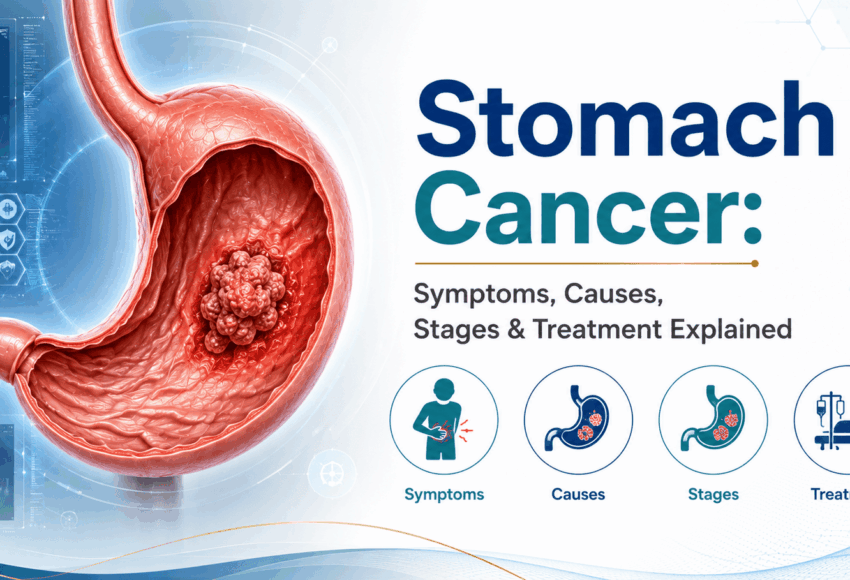
Stomach Cancer: Symptoms, Causes, Stages & Treatment Explained
Stomach cancer, also known as gastric cancer, develops when abnormal cells grow uncontrollably in the lining of the stomach. It often progresses slowly over several years and may not cause noticeable symptoms in its early stages. Because many early symptoms resemble common digestive problems, diagnosis is frequently delayed.
Fortunately, advances in endoscopy, imaging, minimally invasive surgery, chemotherapy, targeted therapy, and immunotherapy have significantly improved treatment outcomes. Early detection remains the key to successful treatment and long-term survival.
In this comprehensive guide, you’ll learn about stomach cancer symptoms, causes, risk factors, stages, diagnosis, treatment options, recovery, prevention, and answers to frequently asked questions.
What Is Stomach Cancer?
Stomach cancer occurs when healthy cells in the stomach lining undergo genetic changes and begin growing uncontrollably, forming a malignant tumor. Most stomach cancers are adenocarcinomas, which originate from the glandular cells lining the stomach.
The stomach is an essential part of the digestive system. It stores food, mixes it with digestive enzymes and acids, and gradually passes it into the small intestine for further digestion.
When cancer develops, it can interfere with digestion and may eventually spread to nearby lymph nodes, the liver, pancreas, lungs, or other organs if left untreated.
Types of Stomach Cancer
Several types of stomach cancer exist, including:
- Adenocarcinoma (most common)
- Gastrointestinal Stromal Tumor (GIST)
- Neuroendocrine Tumors (NET)
- Lymphoma of the Stomach
- Squamous Cell Carcinoma (rare)
Each type requires a different treatment approach based on its characteristics and stage.
Early Symptoms of Stomach Cancer
Early stomach cancer often causes few or no symptoms. As the disease progresses, patients may experience:
- Persistent upper abdominal pain or discomfort
- Indigestion that does not improve
- Frequent heartburn or acid reflux
- Feeling full after eating small amounts
- Loss of appetite
- Unexplained weight loss
- Nausea or vomiting
- Difficulty swallowing (if the tumor is near the food pipe)
- Persistent bloating
- Fatigue and weakness
- Vomiting blood
- Black or tarry stools due to internal bleeding
- Anemia caused by chronic blood loss
These symptoms can also occur with gastritis or stomach ulcers, making medical evaluation essential if they persist.
Causes of Stomach Cancer
The exact cause of stomach cancer remains unknown. It develops through a combination of genetic changes and environmental or lifestyle factors.
Long-term inflammation of the stomach lining is believed to play a major role in the development of gastric cancer.
Risk Factors
Several factors increase the likelihood of developing stomach cancer:
- Infection with Helicobacter pylori (H. pylori)
- Chronic gastritis
- Stomach ulcers
- Smoking
- Excessive alcohol consumption
- Obesity
- Family history of stomach cancer
- Older age (usually above 50 years)
- Male gender
- Diet high in smoked, salty, or processed foods
- Low intake of fruits and vegetables
- Previous stomach surgery
- Pernicious anemia
- Certain inherited genetic syndromes
Having these risk factors does not necessarily mean you will develop stomach cancer, but regular medical check-ups may be recommended.
When Should You See a Gastroenterologist?
Consult a gastroenterologist if you experience:
- Persistent indigestion lasting more than two weeks
- Unexplained weight loss
- Recurrent stomach pain
- Vomiting blood
- Black-colored stools
- Difficulty swallowing
- Ongoing nausea or vomiting
- Persistent bloating
- Loss of appetite
- Family history of stomach cancer
Early consultation allows timely diagnosis and expands treatment options.
How Is Stomach Cancer Diagnosed?
Diagnosis typically includes a combination of clinical evaluation, laboratory tests, endoscopy, imaging, and biopsy.
Medical History and Physical Examination
Your doctor will review your symptoms, medical history, lifestyle, and family history before performing a physical examination.
Blood Tests
Common blood investigations include:
- Complete Blood Count (CBC)
- Liver Function Tests (LFT)
- Kidney Function Tests (KFT)
- Iron studies
- Tumor markers (in selected cases)
Upper GI Endoscopy
Upper gastrointestinal endoscopy is the most important diagnostic test. A flexible camera is passed through the mouth to examine the esophagus, stomach, and upper small intestine. Suspicious areas can be biopsied during the procedure.
Biopsy
A tissue sample collected during endoscopy confirms the diagnosis and identifies the specific cancer type.
Imaging Tests
To determine the stage and spread of the disease, doctors may recommend:
- Contrast-enhanced CT Scan
- MRI
- PET-CT Scan
- Endoscopic Ultrasound (EUS)
These tests help guide treatment planning.
Stages of Stomach Cancer
Stomach cancer is generally classified into five stages.
Stage 0 (Carcinoma in Situ)
Cancer is confined to the inner lining of the stomach.
Stage I
Cancer has invaded deeper layers but remains localized.
Stage II
Cancer spreads into nearby tissues or a limited number of lymph nodes.
Stage III
Cancer involves multiple lymph nodes or nearby organs.
Stage IV
Cancer spreads to distant organs such as the liver, lungs, or abdominal cavity.
The stage determines the most appropriate treatment strategy and prognosis.
Treatment Options for Stomach Cancer
Treatment depends on the stage, location of the tumor, overall health, and patient preferences.
1. Surgery
Surgery is the primary treatment for localized stomach cancer.
Common procedures include:
- Endoscopic mucosal resection (for selected early cancers)
- Partial gastrectomy
- Total gastrectomy
- Lymph node removal
- Minimally invasive laparoscopic or robotic surgery where appropriate
2. Chemotherapy
Chemotherapy may be given:
- Before surgery (Neoadjuvant therapy)
- After surgery (Adjuvant therapy)
- For advanced or metastatic disease
It helps shrink tumors, eliminate microscopic disease, and reduce the risk of recurrence.
3. Radiation Therapy
Radiation therapy may be combined with chemotherapy to destroy cancer cells or relieve symptoms in advanced disease.
4. Targeted Therapy
Patients whose tumors have specific genetic markers (such as HER2 positivity) may benefit from targeted medications.
5. Immunotherapy
Immunotherapy strengthens the body’s immune system to recognize and attack cancer cells and may be recommended for selected advanced cases.
6. Palliative Care
For advanced disease, supportive care aims to improve quality of life through:
- Pain management
- Nutritional support
- Control of nausea and vomiting
- Relief of swallowing or digestive difficulties
- Psychological and emotional support
Recovery After Stomach Cancer Treatment
Recovery varies depending on the type of treatment received.
Patients are encouraged to:
- Eat small, frequent, nutrient-rich meals
- Follow dietary advice from their healthcare team
- Stay physically active as advised
- Attend regular follow-up appointments
- Complete recommended chemotherapy or radiation schedules
- Report any new symptoms promptly
Long-term monitoring is essential for detecting recurrence and maintaining nutritional health.
Can Stomach Cancer Be Prevented?
Although not all cases can be prevented, adopting healthy habits can reduce the risk.
Preventive measures include:
- Treat H. pylori infection promptly
- Stop smoking
- Limit alcohol intake
- Maintain a healthy weight
- Eat a balanced diet rich in fresh fruits and vegetables
- Reduce intake of smoked, salted, and processed foods
- Exercise regularly
- Undergo regular medical evaluation if you have persistent digestive symptoms or a strong family history
Why Early Detection Is Important
Early-stage stomach cancer is often highly treatable.
Prompt diagnosis offers several benefits:
- More treatment options
- Higher chance of complete surgical removal
- Better survival rates
- Reduced treatment-related complications
- Improved quality of life
Persistent digestive symptoms should never be ignored, particularly in individuals over 50 years of age or those with significant risk factors.
Frequently Asked Questions (FAQs)
What are the first signs of stomach cancer?
Early symptoms may include persistent indigestion, upper abdominal discomfort, bloating, loss of appetite, or feeling full after eating small meals. These symptoms are often mild, which is why early evaluation is important.
Can stomach cancer be cured?
Yes. When detected in the early stages, stomach cancer can often be treated successfully with surgery and, when appropriate, chemotherapy or other therapies. Advanced-stage disease may still be managed effectively to improve survival and quality of life.
Is stomach cancer hereditary?
Most cases are not inherited. However, individuals with a strong family history or certain inherited genetic conditions may have a higher risk and should discuss screening with their doctor.
How is stomach cancer diagnosed?
Diagnosis usually involves upper GI endoscopy with biopsy, blood tests, CT scan, MRI, PET-CT, and endoscopic ultrasound to determine the stage of the disease.
What foods should stomach cancer patients avoid?
Patients are generally advised to limit smoked foods, heavily salted foods, processed meats, excessive spicy foods (if they worsen symptoms), alcohol, and tobacco. Dietary recommendations should always be individualized by the treating healthcare team.
Can H. pylori infection cause stomach cancer?
Yes. Long-term infection with Helicobacter pylori increases the risk of chronic gastritis and stomach cancer. Early detection and treatment of the infection can reduce this risk.
Who is most at risk for stomach cancer?
People over 50 years of age, smokers, individuals with chronic H. pylori infection, obesity, chronic gastritis, diets high in smoked or salted foods, or a family history of stomach cancer have a higher risk.
Which specialist treats stomach cancer?
Stomach cancer is usually managed by a multidisciplinary team that may include a gastroenterologist, gastrointestinal surgeon, medical oncologist, radiation oncologist, radiologist, pathologist, and nutrition specialist.
Conclusion
Stomach cancer is a serious but increasingly treatable disease, especially when diagnosed early. Recognizing persistent digestive symptoms, understanding risk factors, and seeking prompt evaluation by a qualified gastroenterologist can lead to earlier diagnosis and significantly improve treatment outcomes.
Advances in endoscopy, minimally invasive surgery, chemotherapy, targeted therapy, and immunotherapy have transformed the management of gastric cancer. If you experience persistent stomach pain, unexplained weight loss, recurrent indigestion, difficulty swallowing, or signs of gastrointestinal bleeding, consult a gastroenterologist without delay. Timely diagnosis and personalized treatment offer the best chance for recovery and long-term health.
Disclaimer: This article is intended for educational purposes only and should not be considered a substitute for professional medical advice, diagnosis, or treatment. Always consult a qualified healthcare professional for personalized evaluation and care.
Leave a Comment